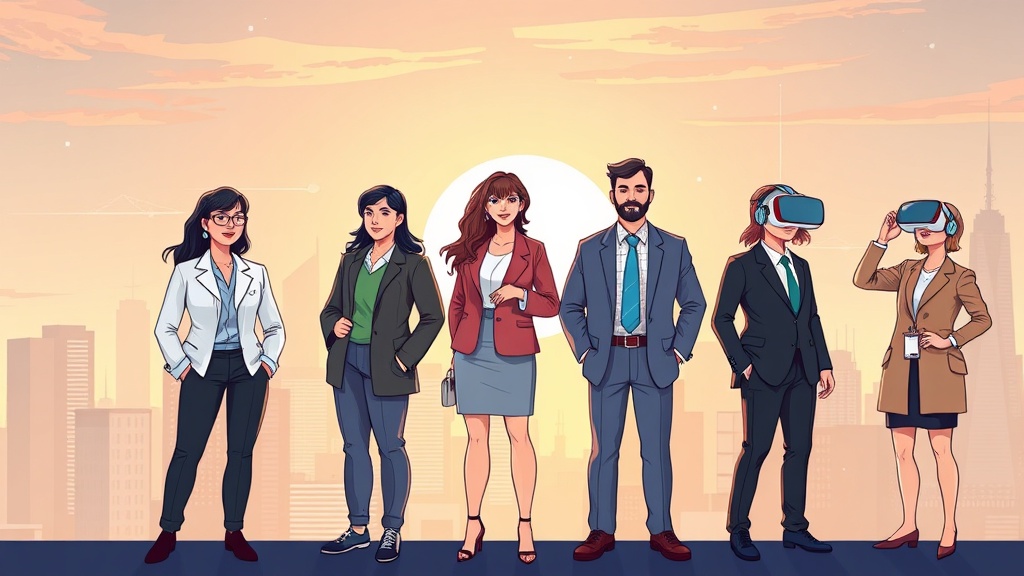
5 Emerging Careers in 2026 You Can Start Training for Now

AI Ethics Specialist
Ensures AI systems are fair, transparent, and compliant with regulations.
Renewable Energy Microgrid Designer
Plans and implements localized energy networks combining solar, wind, and storage.
Remote Wellness Coach
Provides personalized health, nutrition, and fitness guidance via digital platforms.
Blockchain Compliance Officer
Navigates crypto regulations, AML rules, and ensures lawful token offerings.
Virtual Reality Experience Curator
Designs immersive VR narratives for entertainment, education, or corporate training.
Ever wonder which jobs will be hot in 2026 before they even hit the mainstream? From AI ethics to virtual reality experiences, a new wave of roles is reshaping the workplace. Below, I break down five emerging careers you can start preparing for today — and why they matter.
Why focus on emerging careers?
When the job market shifts, early adopters gain a foothold, higher salaries, and the chance to shape a brand‑new field. The World Economic Forum’s Future of Jobs Report 2025 predicts that roles at the intersection of technology, sustainability, and human wellbeing will dominate growth over the next decade. Getting a head start now means you won’t be scrambling when demand spikes.
1. What does an AI Ethics Specialist do?
AI Ethics Specialists help companies design, audit, and monitor AI systems to ensure they’re fair, transparent, and compliant with emerging regulations. Think of them as the moral compass for algorithms.
- Key skills: ethical frameworks, data governance, regulatory knowledge (e.g., EU AI Act), stakeholder communication.
- Path to entry: Start with a background in philosophy, law, or data science; take courses on AI ethics (e.g., Coursera’s AI Ethics); and get hands‑on experience auditing models.
2. How can you become a Renewable Energy Microgrid Designer?
Microgrids are localized energy networks that combine solar, wind, storage, and smart controls to provide resilient power. Designers plan, simulate, and implement these systems for communities, campuses, or industrial sites.
- Key skills: electrical engineering, renewable energy tech, grid simulation software (e.g., HOMER), project management.
- Path to entry: Earn an EE or sustainable engineering degree; join a renewable energy startup; or complete a microgrid certification like the NREL Microgrid Training.
3. What is a Remote Wellness Coach and why is demand soaring?
Remote Wellness Coaches guide clients through mental health, nutrition, and fitness plans via video calls, apps, and AI‑powered tracking tools. The pandemic proved that people value personalized health support from anywhere.
- Key skills: certification in health coaching or nutrition, empathy, digital communication, familiarity with wellness platforms (e.g., MyFitnessPal, Headspace).
- Path to entry: Obtain a recognized coaching certification; build a niche (e.g., corporate burnout, post‑partum health); and market yourself on platforms like Upwork or your own website.
4. How does a Blockchain Compliance Officer keep companies on the right side of the law?
As crypto regulations tighten worldwide, firms need experts who can interpret anti‑money‑laundering (AML) rules, ensure token offerings meet securities laws, and audit blockchain transactions for compliance.
- Key skills: knowledge of blockchain tech, AML/CTF regulations, legal research, risk assessment.
- Path to entry: Combine a background in finance or law with blockchain certifications (e.g., Certified Blockchain Professional); stay updated on guidance from the U.S. Treasury’s FinCEN and the EU’s MiCA framework.
5. What does a Virtual Reality Experience Curator create?
VR Experience Curators design immersive narratives for entertainment, education, or corporate training. They blend storytelling, 3D modeling, and user‑experience research to craft compelling virtual worlds.
- Key skills: 3D design (Unity/Unreal), narrative design, UX research, spatial audio.
- Path to entry: Build a portfolio of VR demos; study interactive storytelling; and seek roles at studios, museums, or ed‑tech firms pioneering VR learning.
Quick ways to start preparing today
- Pick one role that aligns with your background and set a learning goal (e.g., complete a certification within 30 days).
- Leverage free resources like Coursera, edX, or industry webinars.
- Network on niche Slack communities or LinkedIn groups; ask for informational interviews.
- Showcase your progress with a personal blog or portfolio — future employers love proof of initiative.
Takeaway
These five roles are already attracting early‑stage hiring, and the skill gaps mean you can enter with the right combination of self‑study and hands‑on projects. Pick one, start learning, and you’ll be positioned to ride the 2026 career wave before it becomes mainstream.