Allergy‑Proof Your Outdoor Space: Earth Day Low‑Pollen Garden Tips

Allergy‑Proof Your Outdoor Space: Earth Day Low‑Pollen Garden Tips
Hook:
Ever tried to enjoy a sunny patio on Earth Day, only to be greeted by a relentless sneezing fit? You’re not alone—April is peak pollen season, but that doesn’t mean you have to sacrifice the outdoors.
Context:
As a former journalist who’s spent years covering the messy reality of work life, I know the value of practical, data‑driven advice. This guide blends allergy science with sustainable gardening, giving you a backyard that’s both eco‑friendly and symptom‑free.
What are the biggest allergy triggers in a typical backyard?
Most spring allergens come from wind‑blown pollen produced by trees, grasses, and weeds. According to the American College of Allergy, Asthma & Immunology (ACAAI), oak, birch, and grass pollen account for roughly 70 % of seasonal allergy complaints in the Pacific Northwest.
How can I choose low‑pollen plants that still look great?
Low‑pollen (or “male‑sterile”) varieties produce little airborne pollen. Here are five garden heroes:
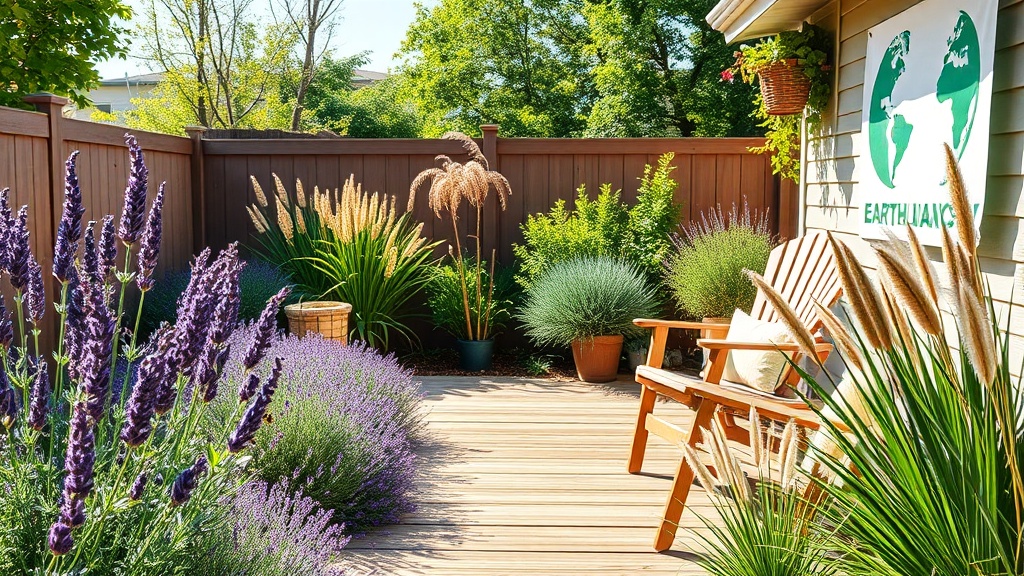
- Lavender (Lavandula angustifolia) – Fragrant, attracts pollinators, but its pollen is heavy and stays close to the plant.
- Hosta (Hosta spp.) – Shade‑loving foliage with negligible pollen.
- Ornamental grasses (e.g., Miscanthus sinensis ‘Morning Light’) – Provide texture without releasing significant pollen.
- Bee balm (Monarda didyma) – Bright blooms that attract bees, not wind‑borne pollen.
- Sedum ‘Autumn Joy’ – Succulent, drought‑tolerant, and virtually pollen‑free.
Why it matters: Low‑pollen plants keep the air cleaner while supporting biodiversity—bees still get nectar, but you avoid the sneeze‑inducing clouds.
How should I design my patio to minimize pollen exposure?
Can strategic placement of hardscape features act as pollen barriers?
Yes. Positioning a solid fence or trellis on the windward side of your patio can trap pollen before it reaches your seating area. Combine this with vertical garden walls of low‑pollen plants to create a living filter.
What materials work best for an allergy‑friendly patio?
- Hardwood (e.g., cedar) – Naturally resistant to mold, which can exacerbate allergies.
- Recycled composite decking – Low maintenance, reduces dust buildup.
- Outdoor rugs made of natural fibers – Choose washable options to keep allergens at bay.
How does airflow affect indoor‑outdoor allergy control?
Install a screened pergola with adjustable louvers. When the wind picks up, close the louvers to shield the space; on calm days, open them for fresh air. Pair this with a portable HEPA air purifier on the patio floor for an extra layer of protection.
Which sustainable gardening practices also help keep pollen low?
Does mulching make a difference?
Yes. A layer of bark mulch suppresses weed growth (many weeds are high‑pollen producers) and reduces soil disturbance that can release pollen.
How can I manage watering to limit allergen spikes?
Over‑watering encourages mold, another allergen. Use drip irrigation set on a timer—water early morning or late evening to let foliage dry before peak pollen hours.
Are there eco‑friendly pest controls that won’t trigger allergies?
Opt for beneficial insects (ladybugs, lacewings) and organic neem oil sprays. Avoid synthetic pesticides that can irritate the respiratory tract.
What quick, day‑of‑Earth‑Day checklist can I follow?
| ✅ | Action |
|---|---|
| 1 | Plant a lavender border along the patio’s windward edge. |
| 2 | Lay down a 2‑inch bark mulch layer around new plantings. |
| 3 | Set up a screened pergola with adjustable louvers. |
| 4 | Install a portable HEPA purifier on the patio floor. |
| 5 | Schedule drip‑irrigation for 15 min at 6 am. |
Takeaway
You don’t need to give up Earth Day celebrations because of allergies. By swapping high‑pollen flora for low‑pollen stand‑outs, using hardscape as a pollen filter, and adopting sustainable watering and mulching practices, you can create an outdoor oasis that’s both eco‑friendly and symptom‑free. Enjoy the blooms, the breeze, and the satisfaction of a greener, healthier spring.
Related Reading
- Sustainable Spring Cleaning Tips for a Healthier Home — Eco‑friendly habits you can pair with your garden makeover.
- Spring Cleaning: 7 Eco‑Friendly Habits to Adopt This Season — More ways to keep your home and yard low‑impact.
- Spring Refresh: 5 Simple Ergonomic Tweaks for Your Home Office — Create a seamless indoor‑outdoor workflow.
<meta.faqs>
[
{"question": "What plants produce low pollen and are safe for allergy sufferers?", "answer": "Lavender, hosta, ornamental grasses, bee balm, and sedum ‘Autumn Joy’ are all low‑pollen choices that still add color and attract beneficial insects."},
{"question": "How can patio design reduce pollen exposure?", "answer": "Use solid fences or trellises on the windward side, install screened pergolas with adjustable louvers, and consider a portable HEPA air purifier for on‑site filtration."},
{"question": "Which sustainable gardening practices help keep pollen levels down?", "answer": "Mulch to suppress high‑pollen weeds, drip‑irrigate to avoid mold‑promoting over‑watering, and use organic pest controls like neem oil and beneficial insects."}
]
</meta.faqs>