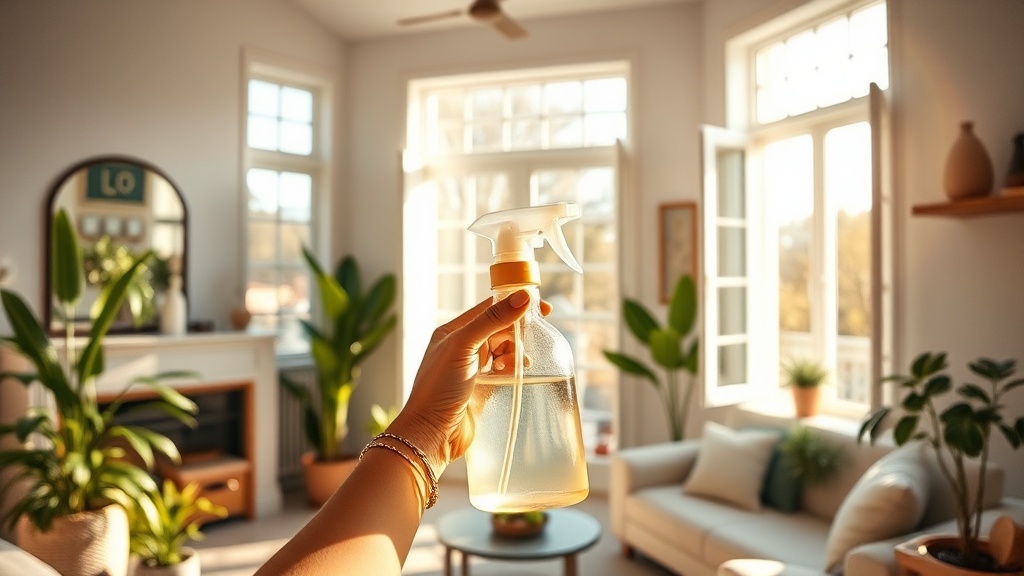
Embracing Green: Sustainable Spring Cleaning Tips for a Fresh Start

Hook: Ever feel like spring cleaning is just a marathon of plastic bottles, chemical sprays, and endless trash? What if you could scrub your windows, declutter your closet, and still feel good about the planet?
Context: As the days lengthen and the air freshens, many of us dive into the age‑old ritual of spring cleaning. But the traditional approach often trades one mess for another—extra waste, harsh chemicals, and indoor air pollutants. I’ve learned, after years of covering labor‑intensive jobs, that a truly clean home starts with the choices you make, not just the chores you finish.
What eco‑friendly cleaning products actually work?
I’ve tested a handful of “green” cleaners in my own Portland apartment, and here’s what survived the grind:
- Vinegar & Baking Soda – The classic duo tackles grime in the kitchen and bathroom without leaving toxic residues. Mix equal parts white vinegar with water in a spray bottle for countertops; sprinkle baking soda on sinks before scrubbing for a gentle abrasive.
- Castile Soap – A plant‑based soap that cuts through grease and can be diluted for everything from floor mopping to dishwashing. Look for unscented versions if you’re sensitive to fragrance.
- Reusable Spray Bottles – Swap single‑use plastic sprayers for glass or BPA‑free aluminum bottles. They’re cheap, refillable, and keep your cleaning solutions from leaching chemicals.
- Microfiber Cloths – These tiny fibers trap dust and grime better than paper towels, and they can be washed and reused hundreds of times.
“I used to buy a new bottle of all‑purpose cleaner every month. Switching to a refillable spray and a few basic ingredients saved me $30 and a handful of plastic bottles.” – Marcus
Outbound source: The EPA’s guide to Green Cleaning Products explains why these ingredients are safe for both people and pets.
How can I reduce waste while decluttering?
Decluttering is the heart of spring cleaning, but the process can generate a mountain of cardboard, old electronics, and clothing that ends up in landfills. Try these waste‑smart strategies:
- Digital Receipts – Scan important documents with your phone and store them in a cloud folder. You’ll keep the info you need and recycle the paper.
- Donate, Don’t Trash – Local charities in Portland, like Friends of the Oregon Food Bank, accept gently used clothing and household items. Many also offer free pickup for larger pieces.
- Upcycle Furniture – A fresh coat of chalk paint and new hardware can turn a tired bookshelf into a statement piece. Check out the Etsy marketplace for affordable, sustainably sourced hardware.
- E‑waste Recycling – For old phones and laptops, use the Electronics Recycling Association drop‑off points. They ensure hazardous components don’t leak into the environment.
Outbound source: The Environmental Working Group outlines best practices for a zero‑waste home in their article “How to Declutter Without Adding to Landfills”.
What simple habits make my home healthier this spring?
Beyond the big‑ticket items, tiny daily habits can dramatically improve indoor air quality and overall well‑being:
- Ventilate – Open windows for at least 10 minutes each morning. Fresh air flushes out lingering VOCs from cleaning agents.
- Houseplants – Species like spider plant, peace lily, and snake plant naturally filter pollutants. They also add a calming green aesthetic.
- Dry‑Cleaning Cloths – Use a dry microfiber cloth for dusting instead of a spray‑and‑wipe method. Less moisture means fewer mold spores.
- Essential Oil Diffusers – A few drops of lavender or eucalyptus in a diffuser can mask chemical odors and promote relaxation.
Outbound source: Harvard’s Harvard Health Publishing reports that “Indoor Air Quality Improves With Proper Ventilation”.
Related Reading
- How Tech Workers Actually Pivoted After Layoffs: 8 Real Paths (And What They're Making Now) – A look at how changing habits can open new career doors.
- From $85K and Burned Out to $62K and Building: Sarah Chen's Leap from Corporate Marketing to Custom Furniture – Inspiration for upcycling and repurposing.
- AI Didn’t Take Their Jobs — But It Changed Everything: What 47 Laid‑Off Tech Workers Told Me – Shows how tech can help you track cleaning schedules with simple apps.
Takeaway
Sustainable spring cleaning isn’t a lofty ideal—it’s a set of practical choices you can start today. Swap chemicals for vinegar, reuse bottles, donate instead of discarding, and let fresh air do the heavy lifting. Your home will feel lighter, your wallet will thank you, and the planet gets a tiny but meaningful breather.
<meta.faqs>
[{
"question": "What eco‑friendly cleaning products actually work?",
"answer": "Vinegar, baking soda, castile soap, reusable spray bottles, and microfiber cloths are effective, inexpensive, and safe for people and pets."
}, {
"question": "How can I reduce waste while decluttering?",
"answer": "Digitize receipts, donate items, upcycle furniture, and recycle electronics through certified e‑waste programs."
}, {
"question": "What simple habits make my home healthier this spring?",
"answer": "Ventilate daily, add houseplants, dust with dry cloths, and use essential oil diffusers to improve indoor air quality."
}]
</meta.faqs>