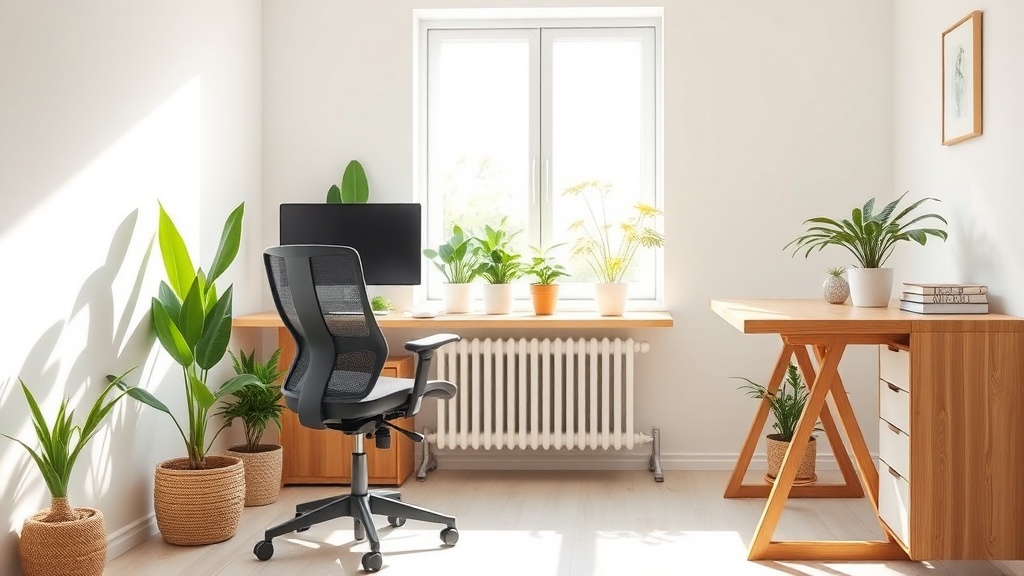
Spring Refresh: Revitalize Your Home Office with Ergonomic Upgrades and Bio‑Harmony Design

Spring Refresh: Revitalize Your Home Office with Ergonomic Upgrades and Bio‑Harmony Design
Ever feel like your home office is a stale, cramped box that drains your energy? I was there last winter – a squeaky chair, harsh fluorescent light, and a pile of paperwork that seemed to mock my ambition. When the days grew longer this March, I decided to give the space a true spring reset. The result? A workspace that feels like a breath of fresh air, and a daily routine that actually supports my focus.
Why a Spring Refresh Matters for Your Work Life
Spring isn’t just a calendar marker; it’s a natural cue for renewal. Scientists have shown that exposure to natural light and green elements can reset our circadian rhythm and lower stress hormones (Harvard Health Publishing, 2024). In other words, a well‑timed refresh can translate into sharper focus, fewer headaches, and more energy for the projects that matter.
What ergonomic upgrades can I make this spring?
Ergonomics is the foundation of any productive office. Here are three upgrades that give the biggest return on investment.
1. Swap to a height‑adjustable standing desk
Standing for part of the day reduces lower‑back strain and improves blood flow. The Ergonomic Trends study (2023) found a 19% boost in reported energy levels after participants used a sit‑stand desk for just two weeks. Look for models with memory presets so you can switch between sitting and standing with a single button.
2. Upgrade to an ergonomic chair with lumbar support
Don’t underestimate the power of a good chair. I switched to a chair that offers adjustable lumbar support, seat depth, and arm‑rest height. The key is to keep your hips slightly higher than your knees and your elbows at a 90‑degree angle.
3. Add a keyboard and mouse tray that lets your forearms rest parallel to the floor
When your wrists are forced into a flexed position, carpal‑tunnel syndrome can creep in. A simple under‑desk tray can keep your hands in a neutral stance, and many trays swivel to stay out of the way when you stand.
How does circadian‑friendly lighting improve productivity?
Our bodies run on a 24‑hour clock that’s heavily influenced by light. Bright, blue‑rich light in the morning signals “wake up,” while warmer amber tones in the evening cue “wind down.” By mimicking this pattern in your office, you can keep your internal clock in sync.
1. Choose a daylight‑simulating lamp
Look for a lamp that offers a color temperature range of 2,700 K (warm) to 6,500 K (cool). I installed a Circadian Light™ desk lamp that I set to cool white during my morning deep‑work sessions and switched to warm amber for late‑day planning.
2. Position your monitor to avoid glare
Place the screen about an arm’s length away and slightly below eye level. If you have a window behind you, use a sheer curtain to soften harsh daylight while still letting the natural spectrum in.
3. Automate with smart bulbs
Smart LEDs let you program the hue and intensity throughout the day. I use a simple Philips Hue routine that ramps up cool light at 8 am, transitions to neutral at noon, and fades to warm at 7 pm.
Why add bio‑harmony elements like plants and natural materials?
Biophilic design – the practice of connecting people with nature indoors – isn’t just aesthetic fluff. A 2022 review in Frontiers in Psychology linked indoor plants to a 15% improvement in concentration and a 12% reduction in perceived stress.
1. Choose low‑maintenance plants
Snake plant, ZZ plant, and pothos thrive on minimal water and indirect light. Place them on shelves or the edge of your desk for a pop of green without a green‑thumb commitment.
2. Use natural materials for desk accessories
Swap plastic pen holders for bamboo trays, and consider a reclaimed‑wood monitor stand. The tactile warmth of wood can subtly cue the brain that it’s in a “natural” environment, reinforcing the calming effect of your greenery.
3. Incorporate scent wisely
A light hint of citrus or lavender from an essential‑oil diffuser can boost mood. Keep the diffusion low‑key – you want a background note, not a perfume‑store assault.
How can I combine these upgrades on a budget?
Not everyone wants to splurge on a $800 standing desk. Here’s a tiered approach.
Starter Kit ($150‑$250)
- Adjustable laptop riser (acts as a mini standing desk)
- Ergonomic chair cushion with lumbar roll
- Two smart bulbs for ambient lighting
- Three low‑maintenance plants from a local nursery
Mid‑Range Upgrade ($300‑$600)
- Full‑size sit‑stand desk with memory presets
- High‑adjustability ergonomic chair
- Circadian desk lamp
- Bamboo desk organizer set
- Additional plants and a small tabletop water feature
Premium Transformation ($800+)
- Premium standing desk with integrated cable management
- Custom‑fit ergonomic chair
- Smart lighting system (Hue or LIFX) synced with a home‑assistant routine
- Full‑size indoor garden (e.g., a compact hydroponic unit)
- Custom wood desk or reclaimed‑material tabletop
What are quick wins for immediate impact?
If you need a fast makeover before the first week of April, try these three actions:
- Replace your current lamp with a daylight‑simulating bulb.
- Add a single snake plant to your desk corner.
- Set your monitor height using a stack of books or a simple riser.
Even these small tweaks can lift your mood and reduce neck strain within a day.
Takeaway
A spring refresh isn’t just about aesthetics; it’s a strategic investment in your health and productivity. By pairing ergonomic furniture, circadian‑friendly lighting, and bio‑harmony touches, you create a workspace that works with your body, not against it. Start with one or two of the quick wins above, and let the season’s renewal energy keep you moving forward.
Related Reading
- Daylight Saving Reset: Simple Steps to Reboot Your Circadian Rhythm – How to align your lighting with natural rhythms.
- Sustainable Spring Cleaning Tips for a Healthier Home – Eco‑friendly ways to declutter before you redesign.
- 5 Emerging Careers in 2026 You Can Start Training for Now – Turn your refreshed workspace into a launchpad for a new path.