Spring Wardrobe Refresh: Build a Sustainable Capsule

Ever stare at a closet full of clothes and wonder why you can't decide what to wear? That indecision is the perfect excuse to hit the reset button and build a sustainable capsule wardrobe just in time for March.
As someone who spent years covering the messy realities of career pivots, I know that simplifying the everyday choices can free up mental bandwidth for the big moves. A well‑curated capsule does exactly that — it trims the clutter, cuts waste, and makes getting dressed feel effortless.
What does a sustainable capsule wardrobe actually look like?
A capsule wardrobe is a small collection of interchangeable pieces that can be mixed and matched to create a variety of outfits. When you add the sustainable lens, each item is chosen for its eco‑friendly credentials: organic fibers, recycled materials, low‑impact dyes, and ethical production.
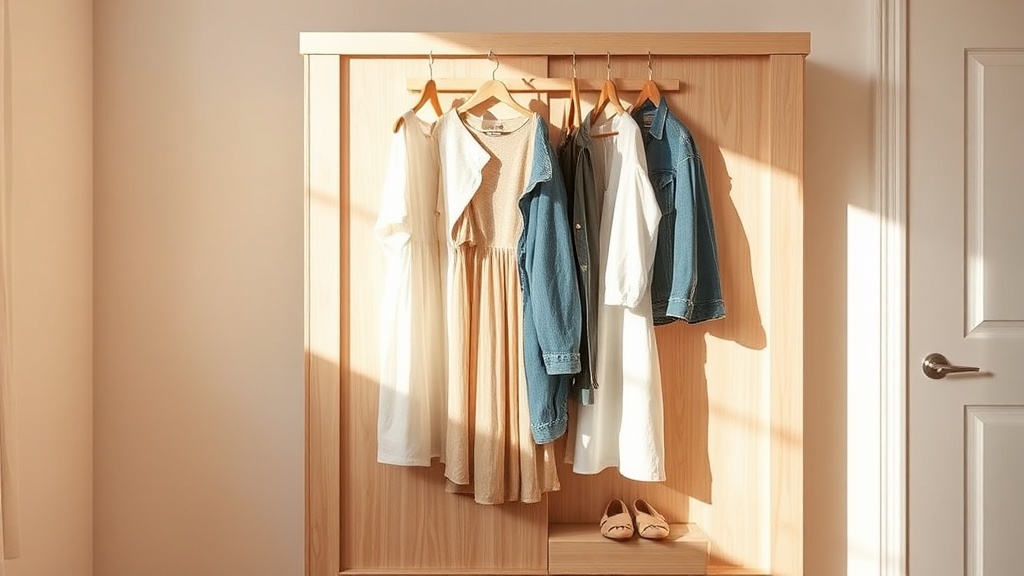
Think of a core set of 10‑12 items that cover casual workdays, weekend errands, and a few dressier occasions. A typical spring capsule might include:
- A crisp linen shirt (organic linen, low‑water production)
- A versatile organic cotton dress
- A recycled‑denim jacket
- Two neutral trousers — one lightweight twill, one soft jersey
- A pair of classic white sneakers made from reclaimed plastic
- Simple leather sandals from a tannery that uses vegetable dyes
- Accessories: a minimalist tote, a silk scarf from a fair‑trade mill
These pieces form a palette that you can layer as the weather shifts, keeping you comfortable from early March chills to late‑May sunshine.
How do I audit my closet for spring?
Step 1: Empty your wardrobe. Pull every item onto your bed or a clean floor. Seeing everything at once reveals the true volume.
Step 2: Sort by category. Create piles for tops, bottoms, outerwear, shoes, and accessories.
Step 3: Ask three questions for each piece:
- Did I wear this in the past year?
- Is it in good condition (no holes, stains, or excessive wear)?
- Does it align with my sustainable values (material, brand ethics)?
If you answer no to any, set the item aside for donation, resale, or recycling. Sustainable spring cleaning can guide you on responsible disposal.
Step 4: Measure what you have left. Note the colors, fabrics, and styles that already work well together. This inventory becomes the foundation for your capsule.
Which eco‑friendly pieces should I prioritize?
When filling gaps, focus on versatility and sustainability:
- Neutral colors. Shades like ivory, navy, olive, and soft gray pair with almost anything, reducing the need for extra items.
- Layerable fabrics. Linen, organic cotton, Tencel, and recycled polyester perform well in varying temperatures.
- Timeless silhouettes. A classic button‑down, a straight‑leg pant, or a simple shift dress never go out of style.
Invest in quality over quantity. A well‑made organic cotton shirt may cost $80, but it will outlast three cheap synthetic alternatives and has a lower lifecycle impact, according to the Ellen MacArthur Foundation.
How can I mix and match to keep outfits fresh all season?
Define your color palette. Choose one or two base colors and one accent. For example, a navy base with olive accents works for both work and weekend looks.
Layer strategically. Pair the linen shirt with the jersey trousers for a breezy daytime outfit, then add the recycled denim jacket for an evening stroll.
Swap accessories. A silk scarf in a bold hue can instantly transform a neutral dress into a statement look.
Plan weekly outfits. Spend Sunday evening sketching a simple schedule — Monday: shirt + jeans, Tuesday: dress + tote, etc. This habit prevents last‑minute “I have nothing to wear” panic.
What are common pitfalls to avoid?
- Over‑buying “sustainable” pieces. Even eco‑friendly items have a carbon footprint. Stick to the capsule size you defined.
- Ignoring fit. Ill‑fitting clothes look sloppy, no matter how green they are. Tailor basics when needed.
- Forgetting climate. Portland’s spring can be rainy. Include a waterproof, recycled‑material coat.
- Neglecting care. Extend garment life by following proper washing instructions — cold water, gentle cycles, and line‑dry when possible.
By staying mindful of these traps, your capsule remains both sustainable and functional.
Takeaway
Building a spring capsule wardrobe is less about buying new clothes and more about curating what you already own, filling intentional gaps with eco‑conscious pieces, and creating a mix‑and‑match system that serves you all season. Start with the closet audit, prioritize neutral, durable fabrics, and keep your outfit planning simple. In doing so, you’ll reduce waste, save time, and step into March feeling confident in every look.
Related Reading
- Embracing Green: Sustainable Spring Cleaning Tips for a Fresh Start — deeper dive on eco‑friendly home practices.
- How to Launch a Green Tech Career in 2026 — because a sustainable wardrobe pairs nicely with a sustainable career.
- Sustainable Spring Cleaning Tips for a Healthier Home — extend the declutter mindset beyond your closet.
Steps
- 1
Empty your wardrobe
Pull every item onto a clean surface to see the full volume and start fresh.
- 2
Sort and audit
Create piles for tops, bottoms, outerwear, shoes, and accessories, then ask if you wore it in the past year, if it’s in good condition, and if it aligns with sustainable values.